


It’s in smoothies, energy bars, protein powders, and even some teas and coffees.
Protein is all the rage right now. Supermarket shelves are overflowing with “high-protein” versions of everyday foods, and TikTok influencers are sharing their secrets for boosting their protein intake.
This macronutrient is essential for health, helping to build muscle and promoting weight loss by prolonging feelings of fullness.
But has our focus on protein gone too far? And is this obsession at the expense of another equally important nutrient: dietary fiber?
What is protein?
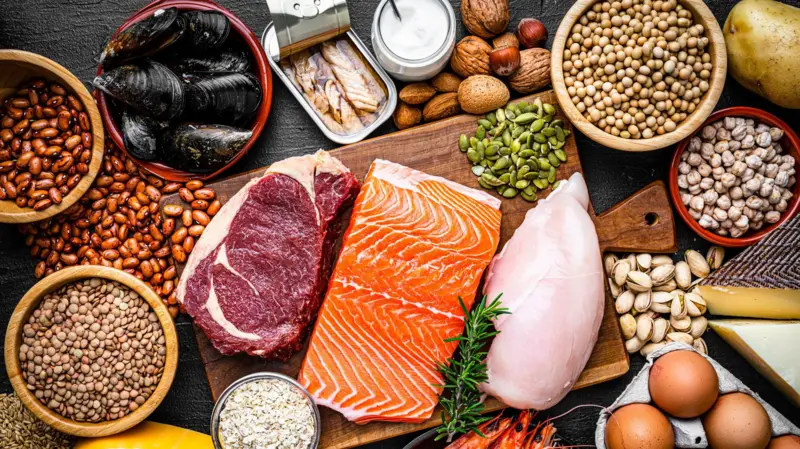
Lean meats, fish, nuts, and eggs are all good sources of protein.
“Protein is a macronutrient that is essential for the body and its role is primarily as a building block,” says Dr Emma Beckett, a lecturer in nutrition at the University of South Wales in the UK.
When we consume foods containing protein, enzymes in our digestive system break it down into amino acids. These amino acids can then be rearranged to form specialized proteins needed by the body to aid in building and repair.
There are over 20,000 types of protein in the human body, performing various functions: forming hemoglobin (found in red blood cells and responsible for oxygen transport), enzymes (proteins that speed up chemical reactions in the body), building and repairing muscle, and producing keratin in skin and hair.
“Protein is interesting because we store it in structures where it’s being used, so if we don’t get enough, we have to break down functional tissues like muscle,” says Dr. Beckett.
Protein can be found in lean meats, eggs, beans, lentils, nuts, peas, and dairy products like milk and yogurt.
According to the British Heart Foundation, the recommended daily intake for adults is 0.75 grams per kilogram of body weight (about 45 grams for women and 55 grams for men).
However, focusing too much on protein can hinder the intake of other important nutrients, leading to adverse effects.
Don’t forget about fiber!
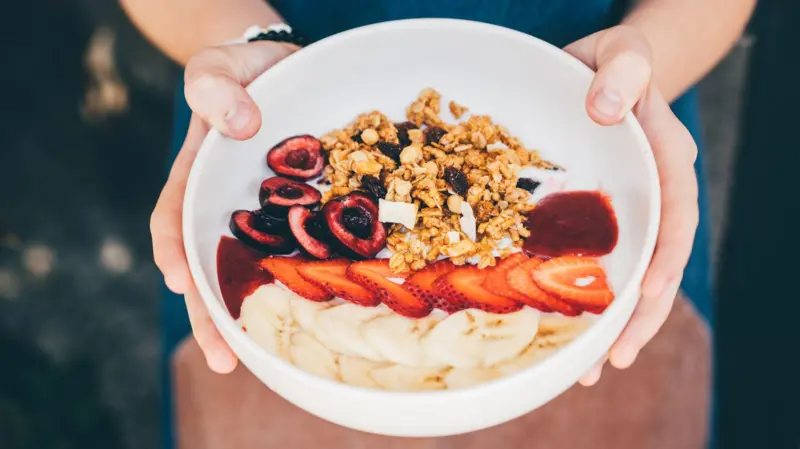
Experts say fiber is often overlooked.
Fiber is essential for maintaining bodily functions and helps with smooth bowel movements.
Dr. Karan Rajan, a surgeon with the UK National Health Service (NHS), shares health and diet advice on social media. He explains, “One of its functions is that it has a laxative effect, sweeping through the intestines, essentially scraping the intestinal lining like a broom.”
This effect helps promote regular bowel movements and prevent constipation.
Gut bacteria also break down fiber in different ways, producing compounds that help reduce systemic inflammation.
A high-fiber diet has been linked to a lower risk of heart disease, stroke, and type 2 diabetes.
Despite these clear benefits, experts note that public awareness of fiber intake remains low.
“We still have a long way to go to achieve optimal fiber intake,” Rajan says.
The UK government recommends that adults consume 30 grams of fiber daily as part of a balanced diet.
Nutritionist Beckett said, “We often talk about the concept of ‘balance’ in the nutrition community, but for most people, balance isn’t concrete enough to be actionable. Focusing on a single nutrient is much easier to implement.”
Why has protein become so popular?

How much protein you need depends on your activity level and other factors.
Some experts believe the attention paid to protein intake may be due to its more visible effects.
Paul Kita, deputy editor of Men’s Health, said, “Protein’s cosmetic benefits can help men build desirable muscle mass.”
He noted that the effects of fiber are less noticeable. “Men can’t look in the mirror or compare their hearts to others. No one cares what your heart looks like at the beach. Therefore, there may be a vanity factor behind many (protein) products.”
Women may also increase their protein intake due to muscle loss with aging.
This process, called sarcopenia, occurs in both men and women, but the sudden drop in estrogen levels during menopause can exacerbate muscle loss in women.
Postmenopausal women also face an increased risk of osteoporosis due to hormonal changes.
Protein helps improve bone health, but a 2019 University of Surrey review of 127 studies concluded that consuming more than the recommended amount has little or no benefit.

High-protein products are sold on supermarket shelves.
Scott Dicker, senior director at consumer market research firm Spins, points out that some high-protein products can be misleading to consumers.
“It’s an interesting perception because certain categories that are traditionally high in carbs or considered junk food can be perceived as healthy simply by adding a spoonful of protein powder.”
Money is also a driving factor.
The global protein powder market was valued at $4.4 billion (£3.6 billion) in 2021 and is expected to grow to $19.3 billion (£15.6 billion) by 2030, making it a highly profitable business.
The “protein maximization” trend on social media—where users try to maximize the protein content in their diet—has further fueled the discussion.
Is it too much protein?

Experts warn that focusing too much on protein intake may pose health risks.
The popularity of protein products may encourage people to consume more protein than they actually need.
The amount of protein needed depends on age, gender, body type, and activity level.
Noticing the increasing availability of high-protein products in stores, Kita embarked on a three-week high-protein diet experiment—consuming a daily diet of packaged foods like high-protein oatmeal, high-protein yogurt, high-protein macaroni and cheese, and even high-protein water.
“My taste buds were shocked at first,” Kita said, describing the foods’ intense sweetness. Some high-protein foods contain added sugar to balance the bitterness of the amino acids in the protein.
He said that after consuming a large amount of protein, he felt “something needed to be done,” leading him to exercise more than usual.
Kita measured himself before and after the experiment and found that his weight remained the same, but his chest circumference had slightly increased.
“This is probably due to the increased protein intake and weight training, which is scientifically proven.”
As for whether the muscle gains were worth it?
He admitted, “Not at all. I was miserable almost the entire time.”
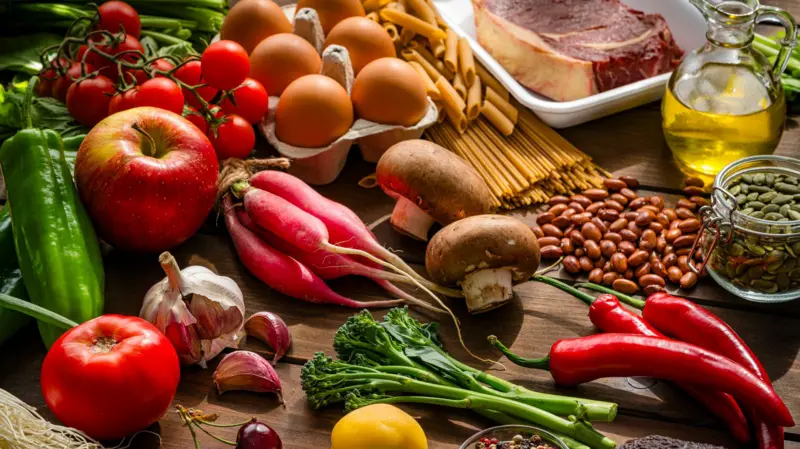
Experts recommend that people should eat a healthy, balanced diet to ensure they get enough nutrients.
Besides Kita’s personal discomfort, experts warn that excessive protein can also strain the kidneys.
Excessive animal protein intake has been linked to kidney stones and can exacerbate existing kidney disease.
Excessive protein can also affect bone health. The British Dietitian Association notes that consuming too much protein can cause side effects such as nausea.
People should also consider where their protein comes from.
Dr. Beckett said: “Our recommendations for the three major macronutrients are based not only on the carbohydrate, protein, and fat content, but also on the other nutrients these foods contain. Highly processed protein foods on the market may not be nutritionally balanced.”
She warned that an excessive focus on protein can pose “significant risks” to health perceptions and urged people to consider a holistic nutritional perspective, including fiber.
“We are not combustion engines, running on a single fuel. We need a variety of nutrients for our health and survival,” she said.