


Breast cancer remains one of the most prevalent and life – threatening cancers affecting women worldwide. In a significant development aimed at improving early detection and survival rates, the United States Preventive Services Task Force (USPSTF) has recently updated its guidelines for breast cancer screening. This change is set to have a profound impact on women’s healthcare routines across the country.

The key adjustment in the new guidelines is a notable shift in the recommended age to begin breast cancer screenings. Previously, the USPSTF advised women to start undergoing mammograms at the age of 50. However, under the updated recommendations, women are now urged to schedule their first mammogram appointments at the age of 40 — a full 10 years earlier than the previous guideline. Moreover, the task force emphasizes that these screenings should be conducted every other year to ensure consistent monitoring of breast health. This change is not arbitrary; it is based on extensive research and data analysis aimed at optimizing the chances of early breast cancer detection.
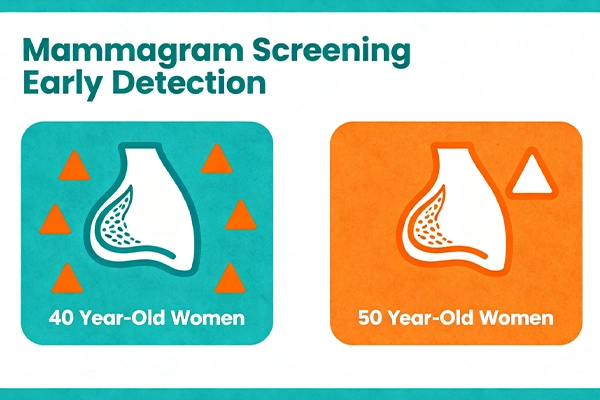
The potential benefits of this earlier screening schedule are substantial. The USPSTF estimates that starting mammogram screenings at age 40 could save 19 percent more lives compared to the previous starting age of 50. This statistic is a powerful indicator of the impact that timely screening can have on breast cancer outcomes. Early detection of breast cancer often means that the disease is caught at a more treatable stage, reducing the need for aggressive treatments such as extensive surgery, chemotherapy, or radiation therapy. It also significantly improves the overall quality of life for women diagnosed with breast cancer, as they have a higher likelihood of making a full recovery.
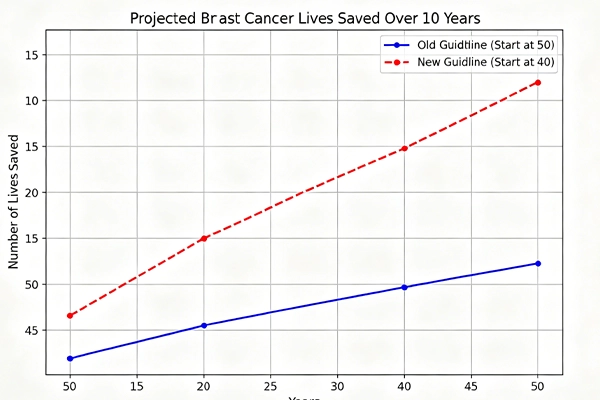
For women across the United States, this new guideline serves as an important reminder to take proactive steps towards their breast health. It is essential for women aged 40 and above to consult with their healthcare providers to schedule regular mammogram appointments as recommended. Healthcare providers can also offer personalized advice based on a woman’s individual risk factors, such as family history of breast cancer, genetic mutations, and other health conditions. By following these new guidelines and working closely with their medical teams, women can significantly increase their chances of detecting breast cancer early and improving their prospects of survival.