
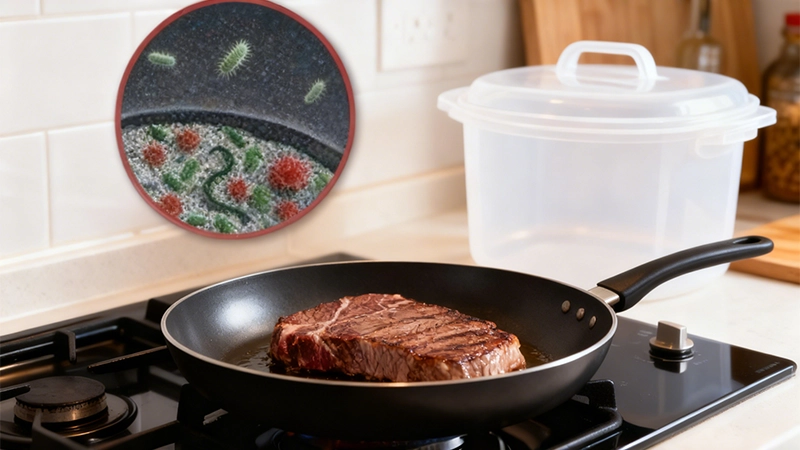

We often take our kitchen tools for granted—non-stick pans that make flipping eggs a breeze, plastic containers that simplify meal prep, and disposable coffee cups for on-the-go sipping. But recent studies and expert insights reveal a troubling truth: these convenient items may be silently harming our health and the planet. From toxic chemicals in non-stick coatings to microplastics invading our bodies, the costs of convenience are higher than we think.
The Scary Reality of Non-Stick Pans: PAS Chemicals and Their Risks
Non-stick cookware, coated with materials like Teflon, relies on Perfluoroalkyl and Polyfluoroalkyl Substances (PAS) to repel food. But these chemicals don’t stay in the pan—they leach into your meals, especially when the coating is scratched or cracked.
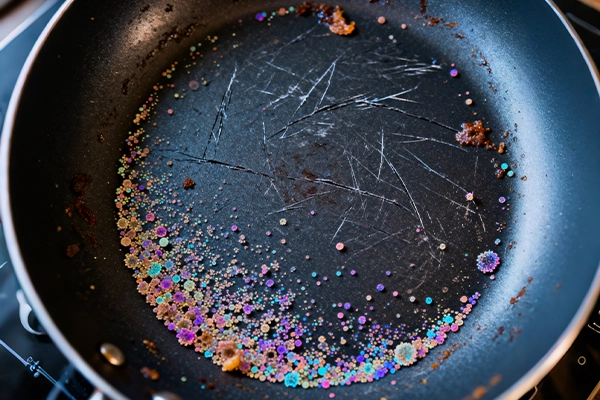
Studies show that a surface scratch on non-stick cookware can release 9,000 particles of PAS into food. A crack? That number skyrockets to 2.3 billion particles—a staggering amount that enters your body with every bite.
The health impacts of PAS are far-reaching. These chemicals are linked to:
- Cancers: Kidney, testicular, and potentially prostate cancer (since the prostate is hormonal tissue). A 2021 University of Illinois study found that high-fat diets combined with PAS exposure caused prostate cell changes that promote tumor growth in mice.
- Hormonal disorders: Thyroid issues, endometriosis, and Polycystic Ovary Syndrome (PCOS)—conditions that affect millions, yet are often linked to elevated PAS levels in the body.
- Reproductive harm: A 2023 study of women in Singapore found that higher blood PAS levels reduced pregnancy and live birth chances by 30–40% within a year. PAS also increases the risk of miscarriage, preterm labor, and preeclampsia (life-threatening high blood pressure during pregnancy).
- Obesity: PAS are “obesogens”—endocrine disruptors that make the body store more fat and resist weight loss. A study of 381 people trying to lose weight found that participants with high PAS exposure gained weight regardless of their diet.
Microplastics: The Invisible Invaders in Your Kitchen
Plastic isn’t just for containers—it’s in utensils, water bottles, and even “paper” coffee cups. When heated, scratched, or squeezed, plastic breaks down into microplastics (tiny fragments) and nanoplastics (even smaller particles) that contaminate your food and drinks.
Consider these facts:
- A plastic spatula melting or fraying releases microplastics into your food. Over time, these bits dissolve and accumulate in your body.
- Microwaving plastic containers is particularly dangerous: even a few seconds can release billions of microplastic particles from just one square centimeter of plastic. “BPA-free” labels don’t help—they still leach microplastics and may contain phthalates (another toxic chemical).
- Disposable coffee cups are lined with plastic to prevent leaks. Within 15 minutes of holding hot liquid, they release 25,000 microplastic particles—and more the longer the liquid sits. The plastic lid adds even more contamination as hot coffee passes through it.
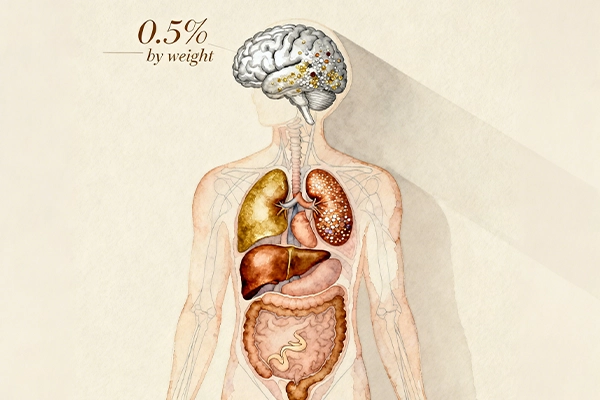
Once inside your body, microplastics never break down. They build up in tissues like the lungs, blood, gut, heart, and even the brain (which is 10–20 times more contaminated than other organs, per a 2024 study). The brain’s high fat content attracts plastic (which is fat-soluble), and unlike the liver or kidneys, the brain can’t detoxify itself—so microplastics stay there indefinitely.
At the cellular level, microplastics cause inflammation and oxidative stress (free radical damage), like “a million little fires” in your body. Your cells use antioxidants (like glutathione) to fight this damage, but modern lifestyles deplete glutathione—leaving you vulnerable to long-term harm. As experts put it: “We’re becoming plastic. If we continue at this rate, humans will eventually be more plastic than flesh.”
Safe Alternatives: Ditch Toxic Kitchen Tools (Without Sacrificing Convenience)
The good news is that safer alternatives exist—you just need to know what to choose. Here’s how to replace toxic items:
1. Cookware: Choose Non-Toxic Materials
Swap non-stick pans for:
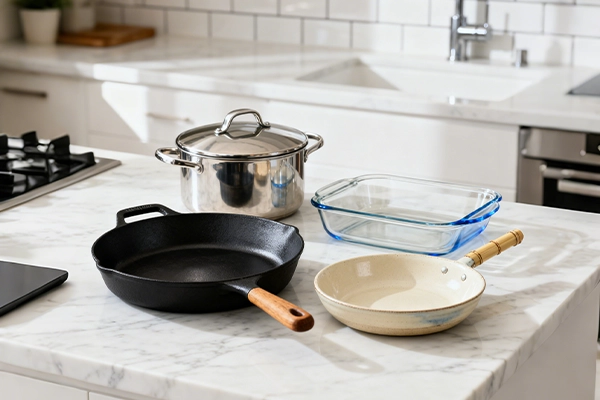
- Cast iron: Durable, naturally non-stick when seasoned, and adds iron to your food.
- Stainless steel: Easy to clean and resistant to scratching (just avoid metal utensils if you want to keep the surface smooth).
- Glass or ceramic: Ideal for baking or storing food—they don’t leach chemicals, even when heated.
2. Utensils: Go Wooden or Metal
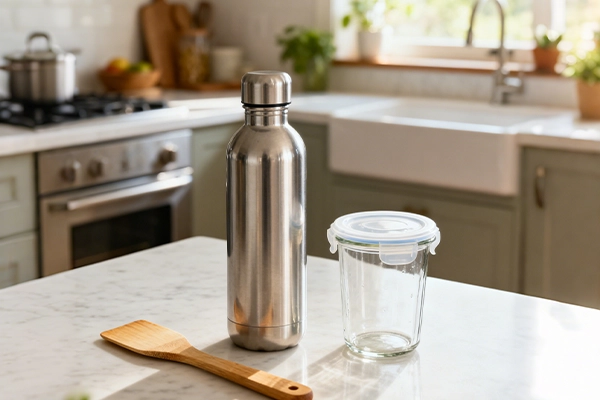
Plastic spatulas and spoons are out—opt for wooden utensils (safe, easy to clean with soap and water) or metal tools (just use them gently with stainless steel or cast iron to avoid scratches).
3. Food Storage: Glass > Plastic
Use glass containers for meal prep and microwaving. If the lid has plastic handles, remove the lid before heating, or leave space between the food and lid to prevent contact.
4. Water: Avoid Plastic Bottles
- Stainless steel or glass bottles (like Stanley-style bottles) are reusable, sustainable, and don’t leach microplastics—even in hot cars.
- Filter your tap water: Check your local water report (via the Environmental Working Group’s database) to see contaminants. Boiling water traps some microplastics, but a carbon filter (that removes fluoride) is better for chemicals like pesticides and heavy metals. Reverse osmosis works too, but it wastes water and removes beneficial minerals.
The Bottom Line: Convenience vs. Lifespan
Non-stick pans and plastic tools save time, but at what cost? Every scratch, every microwave session, and every disposable cup chips away at your health—adding chemicals to your body that accumulate over decades.
You don’t have to overhaul your kitchen overnight. Start small: Replace one plastic container with glass, or swap a plastic spatula for wood. And if you already own non-stick pans, stop buying new ones—throwing them away sends PAS to landfills, where they pollute the environment.
Your kitchen should nourish you, not harm you. By choosing safer alternatives, you’re not just protecting your health—you’re investing in a longer, healthier life.



wow
Muy bueno
Thank you for watching. Have a great day!