


In today’s fast-paced world, ultra-processed foods have become a staple in many people’s diets. Think salty chips, sugary sodas, pre-made burgers, and packaged sausages — they’re convenient, tasty, and everywhere you look. But here’s the catch: these seemingly harmless foods are quietly harming your metabolic health. More and more studies are sounding the alarm: excessive ultra-processed food intake is strongly linked to a higher risk of type 2 diabetes.
What Exactly Are Ultra-Processed Foods?
Let’s start with the basics. The Nova Food Classification System — a globally recognized standard — categorizes ultra-processed foods as products made through heavy industrial processing. They’re nothing like fresh veggies, raw meat, or even simple processed items like cheese or canned beans.
To make these foods, manufacturers use complex techniques like hydrogenation and extrusion. They also load them up with artificial additives: preservatives to make them last longer, flavor enhancers to make them tastier, and colorants to make them look more appealing. Just check the ingredient list — if it’s full of unrecognizable chemical names, you’re looking at an ultra-processed food.

How Ultra-Processed Foods Sabotage Your Blood Sugar
Type 2 diabetes is mainly caused by insulin resistance and damaged pancreatic cells. Ultra-processed foods attack your body’s ability to regulate blood sugar in three key ways:
1. The “Three Highs” Hit Your Metabolism Hard
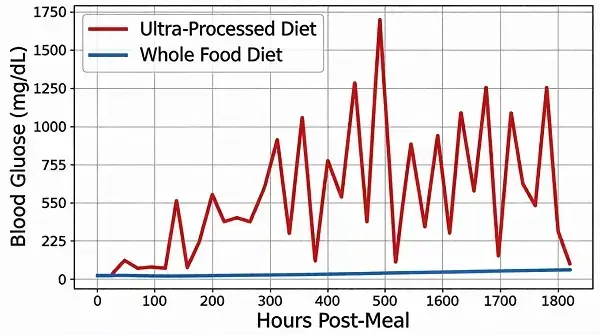
These foods are usually high in sugar, fat, and salt — but low in fiber and nutrients. Added sugars like high-fructose corn syrup are the worst offenders. They flood your bloodstream quickly, sending your blood sugar on a wild rollercoaster ride. Over time, your pancreas gets overworked from pumping out insulin nonstop, and your cells stop responding to insulin effectively.
The trans fats and saturated fats in these foods also trigger inflammation, damaging your blood vessels and pancreas. Too much salt messes with your sodium-potassium balance, which further disrupts insulin secretion and raises blood pressure.
2. Additive Combinations Are Secret Metabolic Disruptors
It’s not just one additive that’s the problem — it’s the mix. A French study found that two common additive combinations significantly boost diabetes risk: one with modified starch and preservatives, the other with artificial sweeteners and caramel color.
These additives throw off your gut bacteria balance and cause low-grade inflammation, even in “sugar-free” ultra-processed products. This means ditching the sugar doesn’t make these foods safe for your metabolism.
3. They Make You Gain Weight Without Trying
Ultra-processed foods are high in calories but low in satiety. A single bag of chips has as many calories as a bowl of rice, but it won’t keep you full for long. You’ll end up eating more calories than you need without realizing it, leading to weight gain — especially around your belly. Belly fat is a major risk factor for diabetes, as it fuels inflammation and insulin resistance in a vicious cycle.
The Scary Numbers: More Ultra-Processed Foods = Higher Diabetes Risk
Research doesn’t lie — the data here is eye-opening:
- A Nature Medicine study found that eating 50g of processed meat daily (about one sausage) raises diabetes risk by 30%, while 250ml of sugary drinks a day boosts risk by 20%.
- The Lancet Regional Health – Europe reported that a 10% increase in salty snack intake leads to a 177% jump in diabetes risk. Processed meats and sweet drinks aren’t far behind, with 125% and 25% risk increases respectively.
- U.S. studies tracking nearly 200,000 people found that those who eat the most ultra-processed foods are 46% more likely to develop diabetes than those who eat the least. Every 10% increase in intake raises risk by 12%.
Easy Swaps to Lower Your Risk
The good news? You don’t have to cut out ultra-processed foods entirely — just make smarter choices most of the time. Here’s how:
- Shop the perimeter of the grocery store: Stick to fresh produce, whole grains, lean meats, and eggs. These foods are unprocessed or minimally processed, and they keep your blood sugar stable.
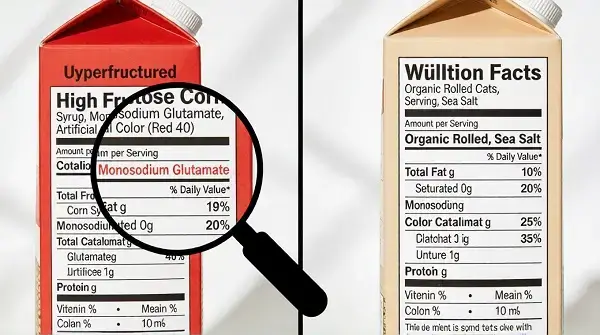
- Learn to read labels: Shorter ingredient lists mean more natural foods. Avoid products with hydrogenated oil, artificial sweeteners, or long lists of preservatives.
- Cook at home more: Restaurants and takeout load up on oil, salt, and sugar. Try steaming, boiling, or stir-frying your meals — it’s healthier and cheaper.
- Swap snacks wisely: Trade chips for unsalted nuts, candy for fresh fruit, and soda for lemon water or sugar-free tea. Your taste buds (and your metabolism) will thank you.
At the end of the day, your diet is your first line of defense against diabetes. Choosing fresh, natural foods over ultra-processed options isn’t just a diet change — it’s an investment in your long-term health.



Welcome
Welcome! Wishing you a pleasant day!
Lol