
With over 260,000 brain scans spanning 155 countries, psychiatrist and brain health expert Dr. Daniel Amen has uncovered hard truths about what harms—and heals—our brains. In a revealing conversation, he breaks down why “brain rot” became 2024’s word of the year, which habits shrink your brain, and how to raise resilient minds. Here’s his life-changing advice.
The Hidden Culprits of Brain Shrinkage
Dr. Amen’s SPECT scans (which measure blood flow and energy metabolism) tell a clear story: everyday habits are quietly damaging our brains.
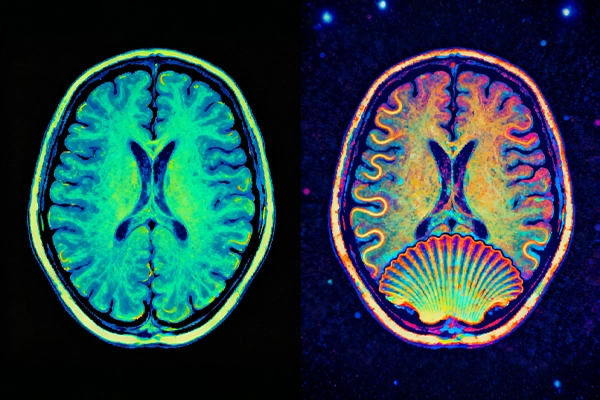
- Alcohol: Even moderate drinking disrupts white matter (the brain’s “highways”) and shrinks tissue. Heavy drinkers show “scalloping”—a wavy, shrunken appearance in scans—due to reduced mitochondrial activity. A 2009 monkey study linked alcohol to a 58% drop in new brain cell development.
- Digital Addictions: Pornography, gaming, and social media overstimulate the nucleus accumbens (the brain’s dopamine center), deadening it over time. “You need more and more to feel anything,” Dr. Amen explains. Teenagers are most vulnerable—8-10-year-olds exposed to online pornography lack the prefrontal cortex development to discern healthy content.
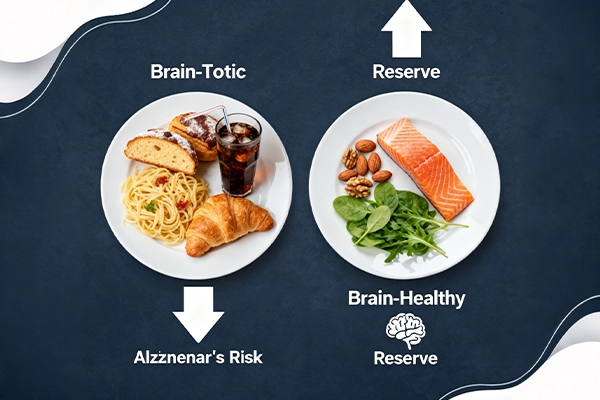
- Poor Diet: A simple carbohydrate-based diet (bread, sugar, fruit juice) increases Alzheimer’s risk by 400%, per a Mayo Clinic study. In contrast, fat-rich diets (fish, avocados) cut risk by 42%.
The “Ants” That Destroy Motivation
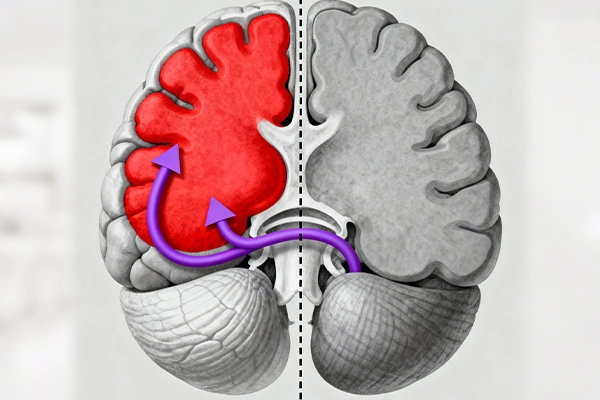
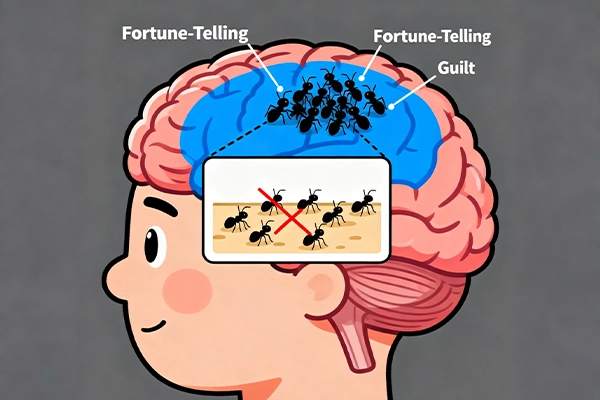
Negative thinking isn’t just a mood killer—it’s a brain killer. Dr. Amen’s research shows automatic negative thoughts (ANTs) reduce prefrontal cortex activity, sapping motivation, focus, and mood.
Common ANTs include “fortune-telling” (“This email will be bad news”) and “all-or-nothing” thinking (“I always fail”). To fight them, he recommends the Byron Katie method:
- Is this thought true?
- Is it absolutely true?
- How does it make me feel/act?
- How would I feel without it?
- Turn it upside down (“This email will be fine”) and prove it.
Raising Brain-Healthy Kids: The #1 Parenting Mistake
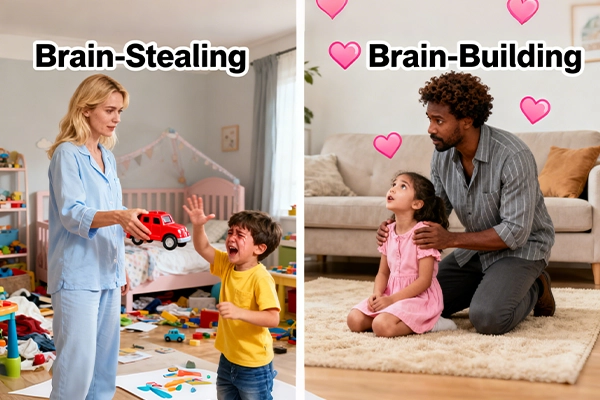
While sugar and screen time get attention, Dr. Amen highlights a less obvious threat: rescuing kids from struggle. “If you do too much for your kids, you build your self-esteem by stealing theirs,” he says. Character and resilience form when children solve problems independently—whether it’s boredom or a tough homework assignment.
His key rules for parents:
- 20 Minutes of “Special Time” Daily: No commands, just bonding. “It’s money in the relational bank,” he notes.
- Active Listening: Repeat your child’s words to validate feelings (“You want blue hair—you feel left out?”) instead of shutting down conversation.
- No Tantrum Rewards: “If you have a fit to get your way, the answer is no—always,” Dr. Amen advises. It teaches emotional regulation.
Natural Fixes That Outperform Pills
Dr. Amen criticizes the U.S. overprescription of antidepressants (85% come from non-psychiatrists in 7-minute visits). Instead, he recommends evidence-based natural strategies:
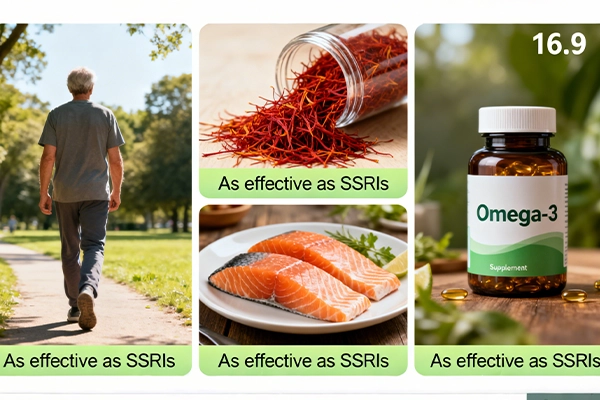
- Saffron: 25 randomized trials show it matches SSRIs for treating mild/moderate depression—without killing libido.
- Exercise: Walking “like you’re late” (45 minutes, 4x/week) is as effective as meds for mood.
- Omega-3s: A Australian study linked them to reduced depressive symptoms.
The Future: AI, Trauma, and Brain Reserve
Dr. Amen’s work also addresses emerging threats and hope:
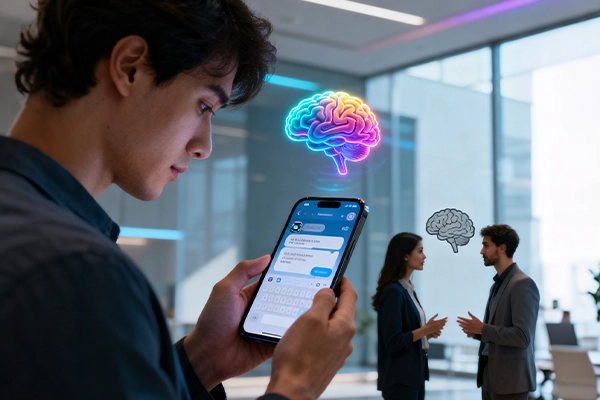
- AI Risks: Short-term, AI reduces brain effort (“bad for the brain”), but it can enhance care if used wisely (e.g., analyzing scan patterns). Artificial social connections (AI partners) fail to build the brain’s social processing skills.
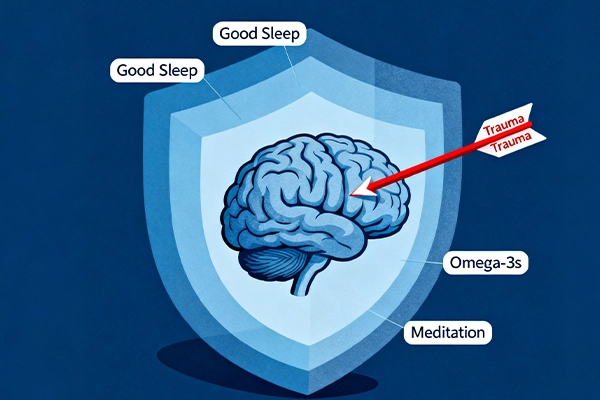
- Trauma and Growth: Only 10% of trauma survivors develop PTSD—10% experience post-traumatic growth. Brain reserve (built via diet, sleep, and stress management) determines resilience. Elizabeth Smart, kidnapped and abused for 9 months, had a healthy brain scan due to strong reserve.
The One Question That Changes Everything
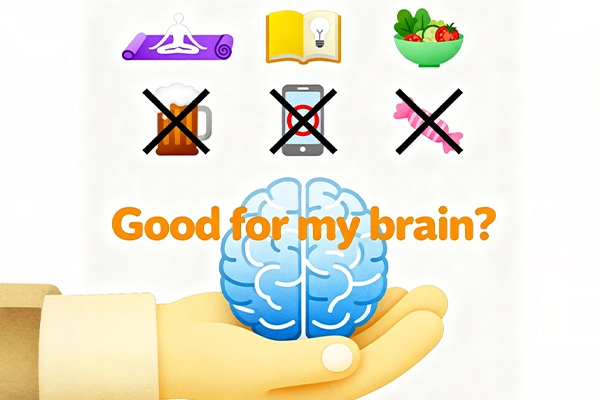
Dr. Amen’s mantra is simple: “Whatever I’m doing right now—Is it good for my brain or bad for it?” Whether you’re 15 (still building myelin) or 70 (fighting Alzheimer’s), this question guides every choice.
“Your brain controls everything,” he says. “When it works right, you work right. Love it, and it will love you back.”