


Have you ever felt bloated, tired, or generally unwell for no apparent reason? It could be your gut sending you a signal.
Gut health isn’t just about digestion; it’s the foundation of immunity, mental health, and overall vitality.
The gut microbiome, made up of trillions of bacteria and microorganisms, relies on a nutritious, balanced diet to sustain it.
But poor dietary choices can disrupt this delicate ecosystem, potentially leading to digestive issues, inflammation, and even chronic disease.
Dr. Julie McDonald, senior lecturer at the Antimicrobial Resistant Organisms Research Center at Imperial College London, explains that gut imbalance manifests in many forms beyond digestive symptoms.
Everyone’s gut microbiome is as unique as a fingerprint.
This means that while some people are naturally more resilient in their digestive systems, others may be more susceptible to disruptions.
Genes, environment, diet, and even early life factors—such as whether a baby was born by C-section or vaginally—can influence the development of gut health.
This unique nature of the gut microbiome also presents challenges for researchers.
While scientists have been able to identify a core group of beneficial bacteria, pinpointing the microbes that contribute to poor health and disease remains complex.

Experts believe that gut health can influence our behavior, stress levels, and well-being.
You are what you eat.
“Dietary choices have a profound impact on the diversity of our gut microbes,” says Dr. Benjamin Mullish, a clinical researcher and physician at Imperial College London.
“We’ve seen in studies that dietary changes—such as reducing meat intake or increasing fiber intake—can significantly alter the gut microbiome.”
For example, studies have shown that introducing fermented dairy products like yogurt and kefir can promote the growth of beneficial bacteria like Lactobacillus and Bifidobacterium, even if overall microbial diversity doesn’t necessarily increase.
But diet isn’t the only factor influencing this.
Other important factors influencing gut health include:
●Sleep and stress: Insufficient sleep and chronic stress negatively impact gut health.
●Exercise: Physical activity helps maintain a healthy gut microbiome.
●Antibiotics: Overuse of antibiotics in medicine and agriculture can disrupt gut bacteria and increase drug resistance.
A new Japanese study found that eating more beans and vegetables can reduce stress by promoting the growth of beneficial gut bacteria.
The study, which involved approximately 1,000 healthy, predominantly female adults, found that a diet rich in probiotics and fiber can help increase bacteria like Lachnospira, which are crucial for maintaining gut health and integrity.
Dr. Mullish also noted the gut-brain connection: “The vagus nerve connects the brain to the gut, and neurotransmitters like serotonin and dopamine originate in the gut.”
“Emerging research suggests that gut health may influence behavior, stress levels, and even mental health.”
Best Foods for a Healthy Gut
Fermented foods contain probiotics—live bacteria that help balance your gut microbiome.
Studies have shown that consuming foods rich in probiotics can improve digestion, reduce bloating, and support the immune system.
Common fermented foods include:
Yogurt (with live probiotics)
Kefir: a dairy drink made from cow’s, sheep’s, or goat’s milk and kefir (a mixed culture of bacteria and yeast)
Sauerkraut: fermented cabbage with salt
Kimchi: a Korean fermented food made from Chinese cabbage, radish, garlic, ginger, chili peppers, fish sauce, and salt
Miso: a Japanese fermented paste seasoning made from soybeans, salt, and koji (mostly from rice or barley)
Tempeh: an Indonesian fermented food made from whole soybeans and a fungus culture, rich in protein
Other options: Kombucha (available worldwide), Roti Prata (India), Natto (Japan)
Tip: If you’re trying fermented foods for the first time, start with a small amount to avoid digestive discomfort.

Fermented foods like Korean kimchi are gaining popularity worldwide for their health benefits.
Fiber is a prebiotic that nourishes beneficial bacteria and promotes regular bowel movements.
Research shows that a high-fiber diet can help reduce the risk of gastrointestinal problems and support weight management.
High-fiber foods include:
●Whole grains (such as oats, quinoa, and brown rice)
●Legumes (such as lentils, chickpeas, and black beans)
●Fruits (such as apples, bananas, and berries)
●Vegetables (such as broccoli, carrots, and artichokes)
●Nuts and seeds (such as almonds, flaxseeds, and chia seeds)
Tip: Gradually increase your fiber intake to avoid bloating, and drink plenty of water to aid digestion.
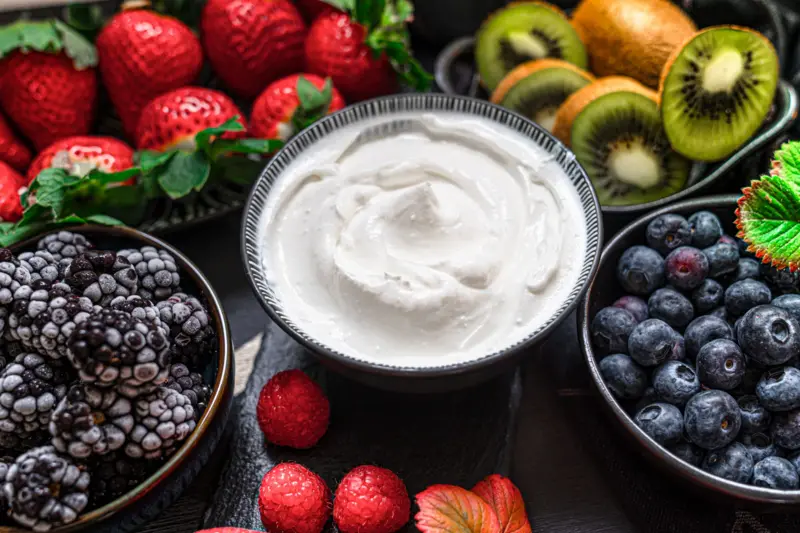
It is recommended to combine probiotics (such as yogurt) with prebiotics (such as berries) for best results.
Polyphenols are plant compounds with antioxidant properties that may promote gut microbial diversity and reduce inflammation.
Common sources include:
●Dark chocolate containing 70% or more cocoa
●Green tea
●Berries
●Olive oil
Tip: Consuming with healthy fats, such as avocado or nuts, may enhance absorption.
Bone broth is rich in collagen and amino acids like glutamine, which may help maintain the integrity of the intestinal lining and reduce inflammation.
However, more research is needed to confirm these benefits.
Tip: Add it to soups or drink it hot.
Foods that may be detrimental to gut health
Ultra-processed foods often contain artificial additives, preservatives, and emulsifiers, which can alter the composition of gut bacteria and trigger inflammation.
Common examples include:
●Packaged snacks (such as chips, cookies, instant noodles);
●Processed meats (hot dogs, sausages, bacon, ham);
●Sugar-sweetened cereals;
●Ready-to-eat meals
Tip: Choose naturally processed snacks, such as nuts, fruit, or homemade cereal bars.
Some artificial sweeteners, such as aspartame and saccharin, have been linked to changes in gut bacteria and abnormal glucose metabolism.
Commonly found in:
●Diet soda;
●Sugar-free gum;
●Low-calorie snacks
Tip: Choose natural sugar substitutes, such as stevia or monk fruit.

Fast food often includes ultra-processed, high-sugar dishes and should be minimized.
A diet high in sugar can promote the growth of harmful gut bacteria and cause inflammation, while suppressing beneficial bacteria.
Foods high in refined sugar include:
●Pastries and cakes
●White bread and white pasta
●Sugar-sweetened beverages (soda, energy drinks, juice)
Tip: Replace sweets with fresh fruit or dark chocolate.
All alcoholic beverages can disrupt gut health by disrupting sleep, affecting mental health, and altering the composition of your gut microbiome.
Although red wine contains polyphenols, Kirsten Jackson, a dietitian specializing in irritable bowel syndrome, told the BBC that the idea that red wine is good for the gut is misleading because the alcohol itself can negate any benefits.
Tip: Drink in moderation and pair it with foods that support your gut.
High red and processed meat intake has been linked to an imbalance in your gut microbiome and an increased risk of colorectal cancer.
Consider reducing your intake and switching to fish, poultry, or plant-based proteins.
Tip: Try “meat-free days” to help you gradually reduce your intake.
Small changes, big impact
Dr. McDonald emphasizes that increasing your dietary fiber intake is one of the simplest ways to improve gut health.
“Fiber nourishes beneficial microbes, promoting digestive health and immunity.”
Dietitian Kirsten Jackson recommends a varied, plant-based diet with at least 30 grams of fiber daily.
She suggests including whole grains, nuts, seeds, fruits, and vegetables to nourish your gut flora and prevent constipation.
Quick tips for a healthy gut:
Increase dietary diversity (consume a variety of plant-based foods)
Combining probiotics (such as yogurt and kefir) with prebiotics (fiber-rich foods)
Staying hydrated aids digestion
Reduce stress through meditation, exercise, and sleep
Avoid overuse of antibiotics unless necessary
Jackson says that small, consistent dietary adjustments are more feasible and easier to maintain than drastic changes. Setting small weekly goals is a more effective way to maintain long-term gut health.
Through mindful dietary and lifestyle choices, you can gradually improve digestion, strengthen immunity, and even boost your mental health.