
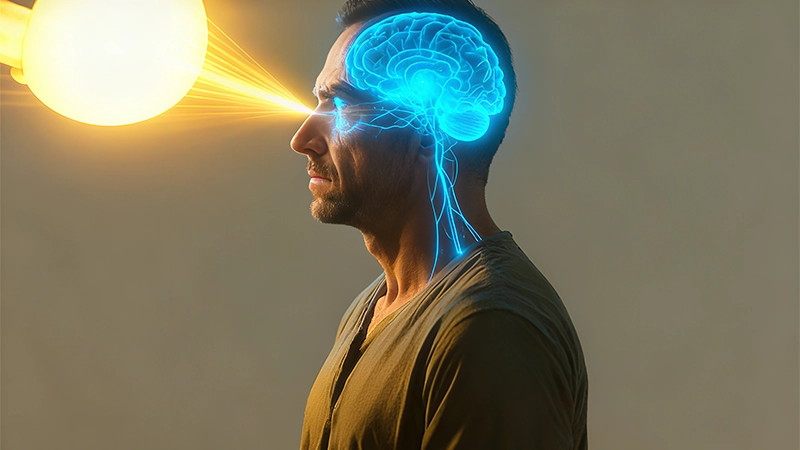

In the realm of modern healthcare, where medications and advanced treatments often take center stage, Dr. Roger Seheult—an esteemed board-certified critical care and pulmonary physician—shines a light on a frequently ignored yet powerful ally: sunlight. Through a compelling blend of real-life anecdotes, scientific insights, and a holistic health framework, he challenges common myths and empowers individuals to take charge of their well-being.
The Boy Who Defied Death: A Sunlight-Powered Miracle
Dr. Seheult’s perspective on health was forever shaped by a remarkable story of resilience—a 15-year-old boy battling leukemia who developed a fatal, flesh-eating fungal infection in his lungs. After surgery to remove one lung failed to halt the infection’s spread to his remaining lung, doctors gave him a grim prognosis: just two days to live. His only request? To go outside.
Hospital staff honored his wish, rolling his bed into the sunlight. What followed was nothing short of extraordinary. Almost immediately, his condition began to improve: his white blood cell count dropped, his need for oxygen decreased, and within days, a CT scan revealed the infection had shrunk by 60-70%. No changes were made to his medication—this dramatic recovery was attributed solely to sunlight exposure and consistent use of a red-light device. Eventually, the boy left the hospital and continued his cancer treatment.

NEWSTART: The Eight Pillars of Longevity and Vitality
Dr. Seheult argues that modern medicine often focuses on “fixing the weakest link” in the body’s organ systems—often at the cost of other systems, due to medication side effects. For true health, he insists, we must strengthen all links. This philosophy is distilled into the NEWSTART framework, eight pillars that form the foundation of holistic well-being:
- N (Nutrition): The food we eat fuels every bodily function, making it the cornerstone of overall health.
- E (Exercise): Beyond physical fitness, exercise reduces the risk of stroke, depression, and chronic disease—offering “side benefits” that enhance quality of life.
- W (Water): More than hydration, water supports health through therapeutic practices like saunas, cold plunges, and contrast therapy, which boost the immune system.
- S (Sunlight): The star of Dr. Seheult’s discussion, with benefits far beyond Vitamin D production.
- T (Temperance): Moderation in all things, including avoiding toxins like tobacco, alcohol, and harmful drugs.
- A (Air): Fresh, well-ventilated air (to lower CO₂ levels) and phytoncides—immune-boosting compounds from plants and trees—are essential for respiratory and overall health.
- R (Rest): Quality sleep and a weekly “digital Sabbath” (unplugging from screens) allow the mind and body to recover.
- T (Trust): Faith, forgiveness, and strong social connections reduce stress, anxiety, and depression—linking mental and emotional health to physical well-being.

The Big Lie About Sunlight: It’s Not Just Vitamin D
A dangerous misconception, Dr. Seheult warns, is that sunlight’s only benefit is Vitamin D production—and that supplements can fully replace it. While UVB rays (a segment of sunlight) do trigger Vitamin D synthesis in the skin, the sun’s true power lies in its infrared and red light.
How Infrared Light Heals: Mitochondrial Health
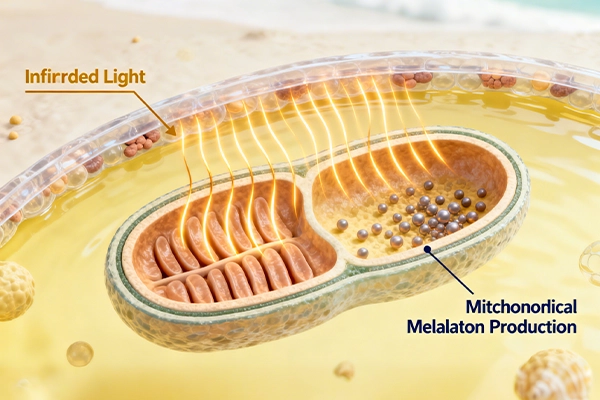
Our cells’ “powerplants”—mitochondria—lose efficiency as we age, a condition called mitochondrial dysfunction. This is a root cause of chronic diseases like dementia, diabetes, and heart disease. Infrared light addresses this by:
- Deep Penetration: Unlike UVB, infrared light reaches several centimeters into the body, targeting cells directly.
- Mitochondrial “Cooling”: It stimulates the production of mitochondrial melatonin—not the sleep-inducing hormone from the brain, but a potent local antioxidant. This antioxidant protects mitochondria from oxidative stress, “cooling the engine” and boosting energy output.
This explains why COVID-19 hit people with pre-existing metabolic conditions hardest: their mitochondrial “engines” were already overworked, and the virus pushed them past their limit.
Actionable Steps for “Light Health”
Dr. Seheult offers simple, science-backed advice to harness sunlight and light therapy for better health:
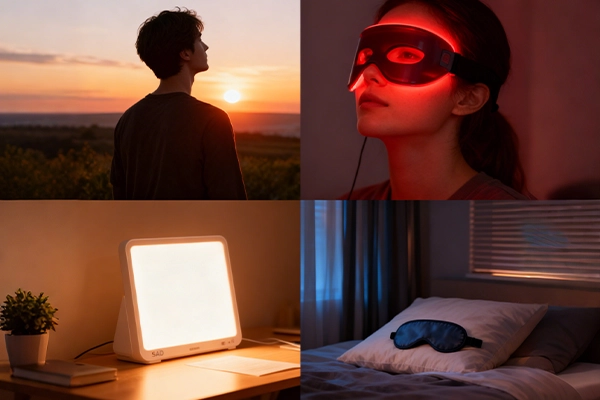
- 15-20 Minutes of Daily Sunlight: Morning or late afternoon sun is ideal—it delivers more beneficial infrared light and less potentially harmful UV radiation.
- Skip Windows: Modern windows block most infrared light, so step outside to get the full benefit.
- Red Light Therapy: For cloudy climates or limited sun exposure, red light devices (masks, panels) offer a similar mitochondrial boost—just 15 minutes a day is enough.
- SAD Lamps for Circadian Rhythms: In winter, a 10,000-lux light therapy lamp (used for 20 minutes each morning) regulates sleep-wake cycles and supports mental health.
- Embrace Dark Nights: Bright days need dark nights—avoid screens before bed, remove LED lights from bedrooms, and use sleep masks to maximize melatonin production.
The Verdict on Supplements
While sunlight is irreplaceable, Dr. Seheult acknowledges the role of supplements in certain cases:
- Vitamin D: Recommended for those in northern latitudes (where sun exposure is limited) and linked to benefits for autoimmune conditions. However, blood levels of Vitamin D often reflect sun exposure—not just supplement intake. Get levels checked to avoid toxicity.
- Melatonin: Low doses (under 5mg) help with sleep onset and jet lag, but high doses can cause irritability.
A Call to Wholeness
Dr. Seheult’s message is clear: health is not about managing disease—it’s about nurturing vitality. The NEWSTART framework, with sunlight at its core, offers a roadmap to this goal. The 15-year-old boy’s story is a powerful reminder: sometimes the most effective medicine isn’t in a pill—it’s in the quiet, healing power of nature. By embracing these eight pillars, we can move beyond illness and toward a life of sustained health.