


Some people say they can’t sleep without eating carbohydrates. Today, I’ll explain this from a biological perspective, and more importantly, I’ll tell you how to solve this problem—especially if you’re on a ketogenic diet.
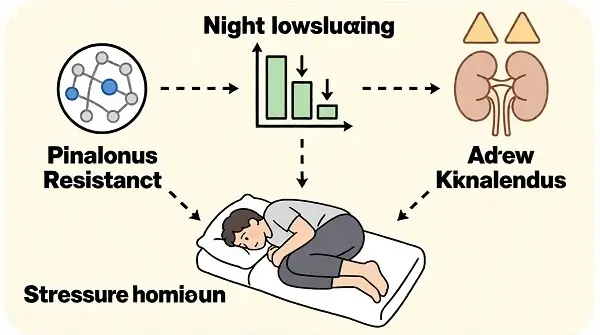
First, let’s connect the dots with insulin resistance. If you’ve struggled with insulin resistance for a long time and then switch to a keto plan (which drastically reduces carb intake), it’s crucial to understand that reversing this resistance takes time—often months, even up to a year, to fully stabilize. Here’s the key issue: insulin resistance leads to chronically high insulin levels. When you cut carbs on keto, your insulin levels don’t drop overnight; the lingering insulin resistance means you still have elevated insulin despite lower carb intake.
This imbalance can trigger low blood sugar (hypoglycemia) in the middle of the night. Your body responds by releasing counter-regulatory hormones—cortisol and adrenaline—to raise blood sugar back up. But these hormones are stimulants: adrenaline, in particular, is designed to wake you up. Cortisol follows a circadian rhythm, peaking at 8 a.m. (when you should wake up) and hitting its lowest at 2 a.m.—so any cortisol spike during the night disrupts sleep drastically. This is the root cause of needing carbs to sleep: your body craves quick-digesting carbs to boost blood sugar and quiet these stress hormones.
The good news? Sticking with your keto plan will improve insulin resistance over time, and this sleep issue will fade. In the meantime, here are actionable remedies to ease the problem:
1. Prioritize Electrolytes: Potassium, magnesium, and calcium are calming for the adrenal glands (which produce cortisol and adrenaline). Aim for at least 7 cups of non-starchy vegetables daily—they’re rich in these electrolytes, plus vitamin C, which supports adrenal health.
2. Apple Cider Vinegar Before Bed: A shot of apple cider vinegar (diluted in water) stabilizes blood sugar, lowers insulin levels, and reduces the risk of nighttime hypoglycemia. It’s a simple yet effective way to improve insulin sensitivity over time.

3. Adjust Your Evening Protein Intake: Protein is a natural stimulant. If you’re eating too much protein as your last meal, it can overstimulate your nervous system and keep you awake. Tweak the portion to find what works for you.
4. Ensure Adequate Vitamin B1: B1 (thiamine) is vital for sleep, especially on keto (since the diet increases metabolic demand for B vitamins). It prevents restless leg syndrome, regulates pulse rate (low B1 can cause a rapid, irregular pulse that disrupts sleep), eases anxiety, reduces nightmares, and calms excessive, racing thoughts.
5. Limit Caffeine: Stick to one small cup of coffee or tea in the morning. Caffeine lingers in the body for hours and can disrupt nighttime sleep cycles, even if you don’t feel jittery.
6. Try Exogenous Ketones: Ketone salts (available online or at health stores) taken before bed feed your brain directly with ketones. This reduces your brain’s dependence on blood sugar, lowering the risk of hypoglycemia and the resulting hormone spikes.
7. Get Enough Vitamin D: Spending time in the sun during the day boosts vitamin D levels, which improves sleep quality. In winter (when sunlight is scarce), ensuring adequate vitamin D (through food or supplements) is even more important.

Be patient with your body as it adjusts to insulin sensitivity. These remedies will help ease the “need for carbs to sleep” while your body heals. Thanks for watching—be sure to check out my other comprehensive videos on sleep for more insights.
Article Summary
This article addresses the common issue of “needing carbs to sleep,” especially among those on a ketogenic (keto) diet. It explains the biological root cause: long-term insulin resistance leads to persistently high insulin levels; when carb intake is drastically reduced on keto, nighttime low blood sugar (hypoglycemia) may occur, triggering the release of stimulatory hormones (cortisol and adrenaline) that disrupt sleep—thus the body craves carbs to stabilize blood sugar.
The article notes that this issue fades as insulin resistance improves over time with consistent keto adherence. In the interim, it recommends actionable remedies: prioritizing electrolytes from non-starchy vegetables, drinking diluted apple cider vinegar before bed, adjusting evening protein intake, ensuring adequate vitamin B1, limiting caffeine to morning, trying exogenous ketones, and getting enough vitamin D (via sunlight or supplements).



Güzel
I love
Thank you for your kind words! Have a wonderful day!
Love it
Thank you for your kind words! Have a wonderful day!